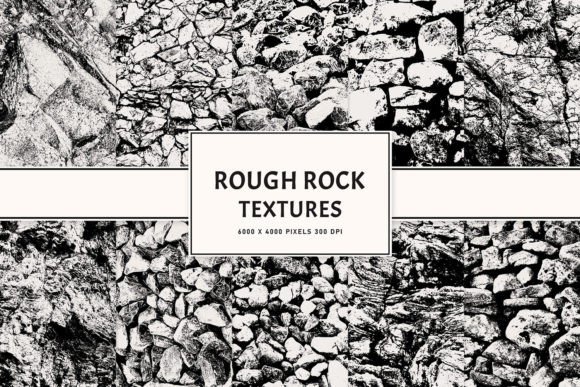
Rough Rock Textures: Elevating Digital Art with Realistic and Versatile Design Elements
When it comes to digital design, the right textures can make all the difference in achieving a professional and visually compelling result. Rough Rock Textures is a high-resolution texture set that brings natural, detailed rock surfaces into your creative projects with remarkable realism. Whether you're working on branding materials, social media graphics, or intricate digital illustrations, this collection offers the depth and authenticity needed to elevate your visual storytelling.
Understanding the Strategic Value of Rough Rock Textures
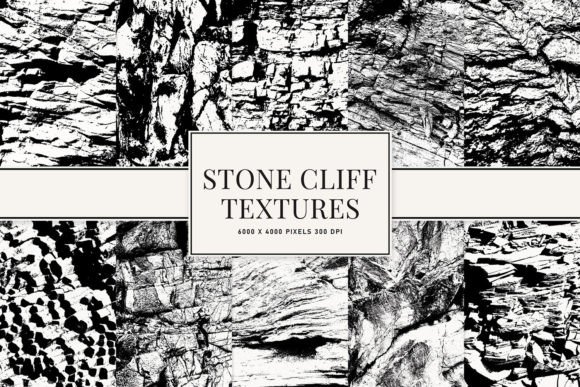
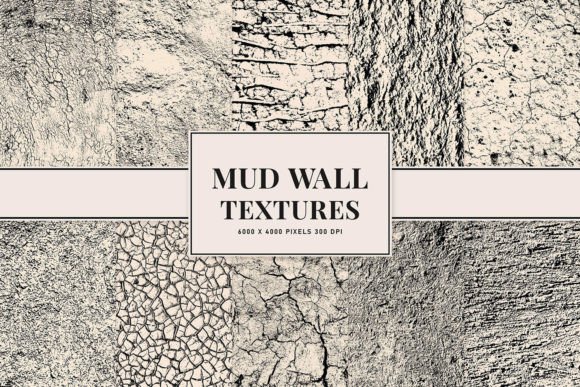
Rough Rock Textures isn't just another set of digital papers—it's a tool that enables designers to add dimension, character, and a sense of place to their work. With its 6000 x 4000 PX resolution and 300 DPI quality, these textures are ideal for both print and digital use, ensuring crisp details no matter the medium. The format options (JPG and PNG) provide flexibility, making them compatible with a wide range of design software, including Adobe Photoshop CC or higher.
For professionals who rely on consistent brand visuals, these textures offer a way to infuse natural elements into otherwise flat designs. They can be used as backgrounds, overlays, or even as part of more complex compositions. Their realistic nature makes them especially useful for projects that aim to evoke a sense of ruggedness, authenticity, or earthy aesthetics—such as outdoor brands, adventure-themed marketing, or eco-conscious campaigns.
How to Use Rough Rock Textures Strategically in Your Projects
The key to leveraging Rough Rock Textures effectively lies in understanding when and how to apply them within the context of your project goals. Here are a few strategic considerations:
- Branding and Identity:** Incorporate these textures into logos, packaging, or website headers to create a strong visual identity that resonates with nature or rugged themes.
- Social Media Graphics:** Use them as background layers for posts, stories, or banners to add visual interest without overwhelming the content.
- Print Materials:** Business cards, posters, and invitations benefit from textured elements that give a tactile feel even in digital form.
- Digital Scrapbooking and Crafts:** These textures can simulate real-world materials like stone, enhancing the authenticity of handmade or digital collages.
Before applying Rough Rock Textures, consider the overall tone and purpose of your design. A subtle overlay might be more effective than a full-texture background, depending on the message you want to convey. Also, ensure that the colors and contrast align with your brand’s palette to maintain visual harmony.
Practical Planning Tips for Using Rough Rock Textures
To maximize the impact of Rough Rock Textures, follow these planning steps:
- Define the Project Goal:** Determine whether the texture will serve as a focal point or a supporting element. This helps avoid overcomplication and ensures alignment with the intended message.
- Choose the Right Texture:** The set includes various rock types and finishes. Select one that complements the subject matter or mood of your project.
- Layer Thoughtfully:** Apply textures using blending modes such as Multiply or Overlay to integrate them seamlessly into your design without losing clarity.
- Test Across Devices:** Ensure that the texture looks good on different screen sizes and resolutions, especially if it's intended for web use.
By integrating Rough Rock Textures with intention, you can transform simple designs into rich, layered visuals that capture attention and communicate effectively.
Long-Term Benefits of Incorporating Realistic Textures
Investing in high-quality textures like Rough Rock Textures can lead to long-term benefits for your creative workflow. These assets can be reused across multiple projects, reducing the need for custom texture creation each time. This not only saves time but also maintains consistency in your visual language.
Moreover, using realistic textures can enhance the perceived value of your work. Clients and audiences often associate well-crafted visuals with professionalism and attention to detail. By incorporating Rough Rock Textures into your portfolio or client deliverables, you demonstrate a commitment to quality and creativity.
Potential Risks and How to Avoid Them
While Rough Rock Textures can be a powerful asset, there are risks associated with using them without clear strategy. Overusing textures can lead to cluttered designs that distract from the main message. Additionally, improper color matching or contrast can cause the texture to clash with other elements in the composition.
To avoid these pitfalls, always test textures in small sections before applying them broadly. Consider the context of the project and how the texture contributes to the overall narrative. If in doubt, seek feedback from peers or clients to ensure the final outcome meets expectations.
Final Thoughts on Rough Rock Textures
Rough Rock Textures represents a valuable resource for anyone looking to add natural, detailed elements to their digital creations. Its versatility, high resolution, and compatibility with major design tools make it an essential addition to any designer’s toolkit. Whether you're creating marketing materials, crafting digital art, or enhancing presentations, these textures offer a realistic touch that can elevate your work significantly.
By approaching Rough Rock Textures with a strategic mindset and thoughtful application, you can unlock new levels of creativity and visual impact in your projects. The goal is not just to use the textures, but to use them wisely—to support your vision, enhance your communication, and achieve better results in every creative endeavor.